Different Homeschooling Styles: Finding the Right Fit for Your Family
One of the beautiful things about homeschooling is that there is no “one size fits all” approach. Every child learns differently, every family has unique values and rhythms, and homeschooling allows the freedom to create an education that works best for your child.
Some families thrive with structure and routine, while others learn best through curiosity, creativity, travel, nature, or hands-on experiences. Many families even combine several styles together over time. I speak from experience when I say this, trial and error plays a big part in this decision process, we still combine several styles throughout out learning.
This is an aspect you will need to include in your home education application, what learning approach will you take for your Child’s learning? Keeping in mind, it is not set in stone, and like I’ve mentioned, we as homeschoolers have the flexibility to make changes as we see fit. Here is a breakdown of some of the most common homeschooling styles. I have included a little bit about the history of each style and the key ideas, some pros and cons, and who they may suit best.
Unschooling
Background & History
Unschooling was popularised in the 1970s by educator John Holt. He believed children learn naturally through life experiences, interests, and curiosity rather than through forced curriculum and traditional schooling methods.
What It Looks Like
Learning is child-led and interest-based. There are usually no strict timetables, grades, or formal lessons. Children learn through real-life experiences, conversations, hobbies, exploration, books, games, travel, and everyday life.
Pros
Encourages independence and creativity
Allows children to follow passions deeply
Flexible and low-pressure
Builds intrinsic motivation and lifelong learning habits
Learning happens naturally through life
Cons
Can feel overwhelming for new homeschoolers
Less structured academic tracking
May cause concern for families wanting measurable progress
Requires trust and patience from parents
Best Suited For
Curious, independent children
Families wanting flexibility and freedom
Neurodivergent children who struggle in traditional settings
Families focused on lifestyle learning
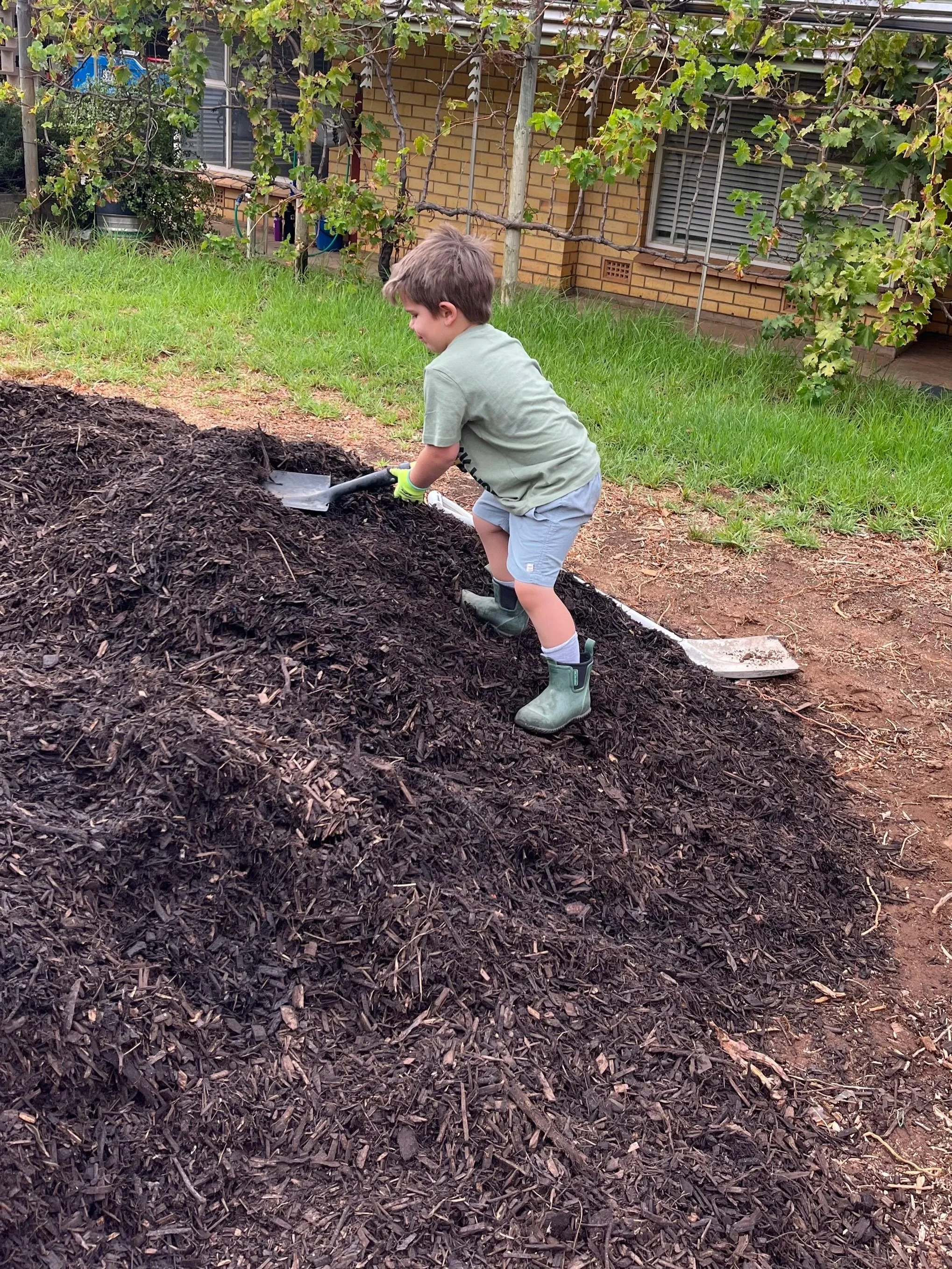
Real life experiences - shovelling mulch out in the garden, learning how mulch helps our garden grow whilst using various gardening tools.
Waldorf Education
Background & History
Waldorf education was created by Rudolf Steiner in the early 1900s. It focuses on imagination, creativity, rhythm, storytelling, nature, and delayed academics in early childhood.
What It Looks Like
Waldorf homeschooling often includes:
Nature play
Handcrafts
Storytelling
Art and music
Seasonal rhythms
Limited technology use
Gentle, holistic learning
Pros
Nurtures creativity and imagination
Strong focus on emotional wellbeing
Gentle early years approach
Beautiful connection to nature and rhythm
Cons
Delayed academics may not suit all families
Limited technology use may feel restrictive
Can require lots of preparation and hands-on involvement
Best Suited For
Creative children
Families wanting a slower, nature-rich lifestyle
Younger children
Families drawn to rhythm and routine
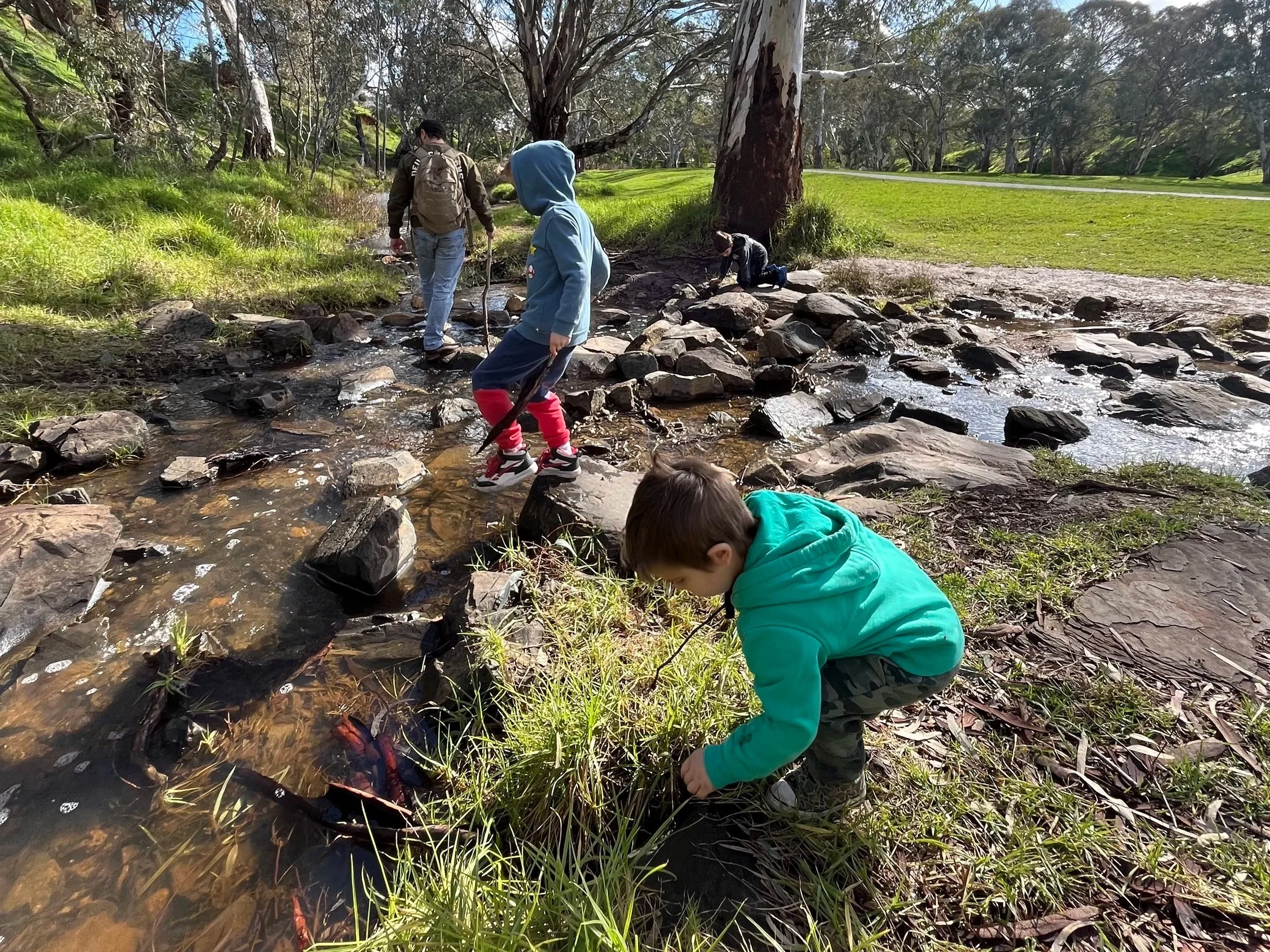
Connecting with nature - spending the afternoon on a walk, exploring in the local parklands.
Classical Education
Background & History
Classical education is based on ancient Greek and Roman teaching methods and was revived in modern homeschooling through books like The Well-Trained Mind by Susan Wise Bauer.
What It Looks Like
Classical education focuses heavily on language, literature, logic, history, and critical thinking. It follows three stages:
Grammar Stage (Elementary years - memorisation)
Logic Stage (middle school- reasoning)
Rhetoric Stage (high school - communication and debate)
Pros
Strong academic foundation
Develops critical thinking skills
Rich exposure to literature and history
Structured and organised
Cons
Can feel academically intense
Heavy reading load
Less play-based or child-led
May not suit hands-on learners
Best Suited For
Academically driven families
Children who enjoy reading and discussion
Families wanting structure and rigor
Montessori
Background & History
Developed by Maria Montessori in the early 1900s, Montessori education focuses on child-led learning, independence, and hands-on exploration.
What It Looks Like
Children learn using carefully prepared environments and practical life activities. Parents act more as guides than teachers.
Pros
Encourages independence
Hands-on learning
Child-paced education
Strong focus on life skills
Cons
Montessori materials can be expensive
Requires intentional setup
Some children may need more direct instruction
Best Suited For
Independent learners
Hands-on children
Younger learners
Families wanting calm, intentional learning spaces
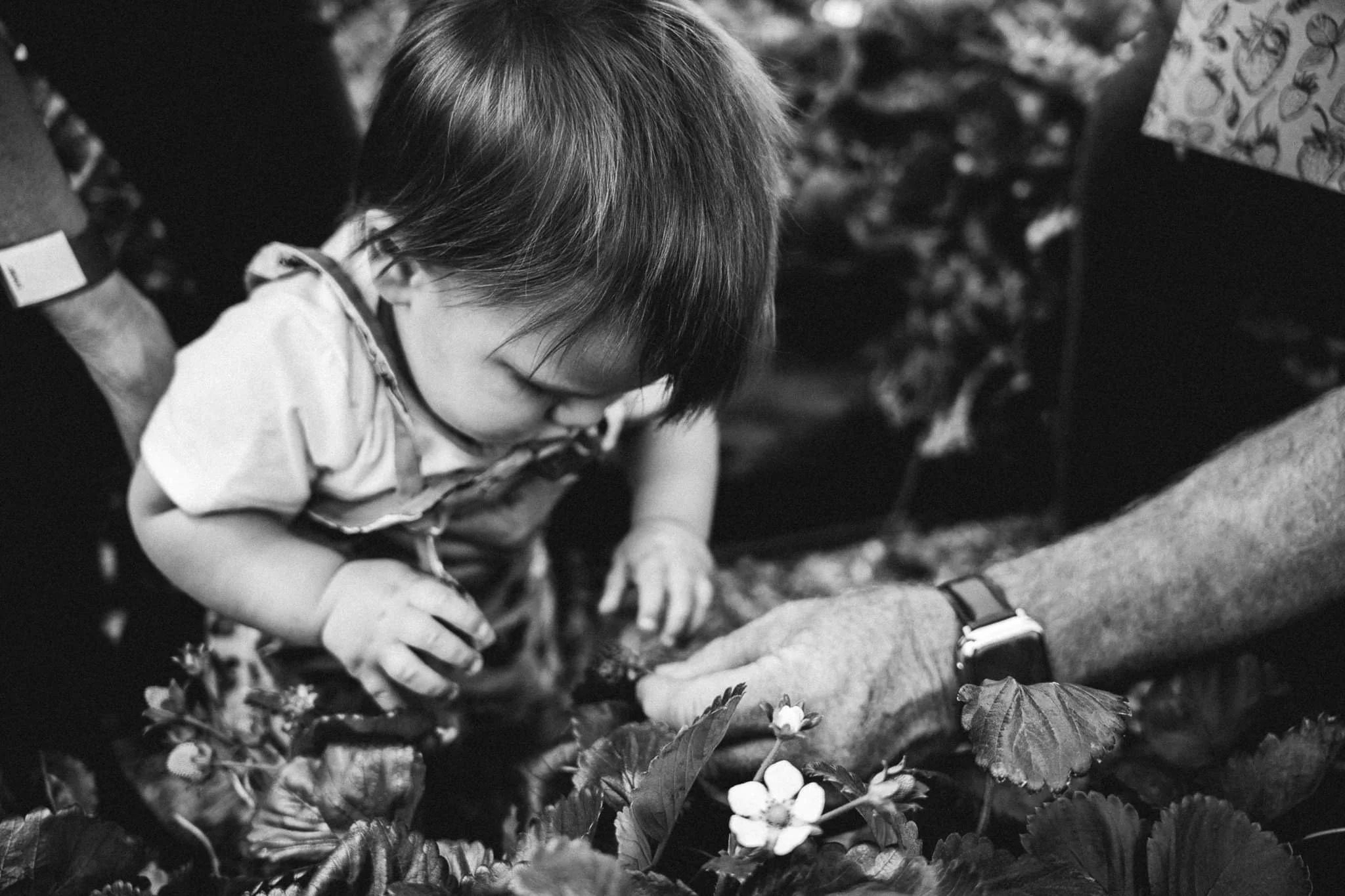
Hands-on learning - out in the garden, strawberry picking and tasting.
Unit Studies / Project-Based Learning
Background & History
This approach became popular through progressive education movements and modern homeschooling communities that wanted integrated, real-world learning.
What It Looks Like
Children learn multiple subjects through one topic or project. For example, a Unit on dinosaurs may include:
Science (the food and habitat of dinosaurs)
History (timeline of dinosaurs to human existence)
Art (drawing dinosaurs or their skeletons)
Writing (interesting facts on dinosaurs)
Geography (where they lived, finding these on maps)
Maths (how many years ago were they around? creating graphs on the longest living)
Pros
Highly engaging
Connects subjects naturally
Great for sibling learning
Encourages deep understanding
Cons
Can require planning
Some academic gaps may occur if not balanced
Harder to track specific curriculum outcomes
Best Suited For
Curious learners
Families homeschooling multiple ages
Hands-on and interest-led children
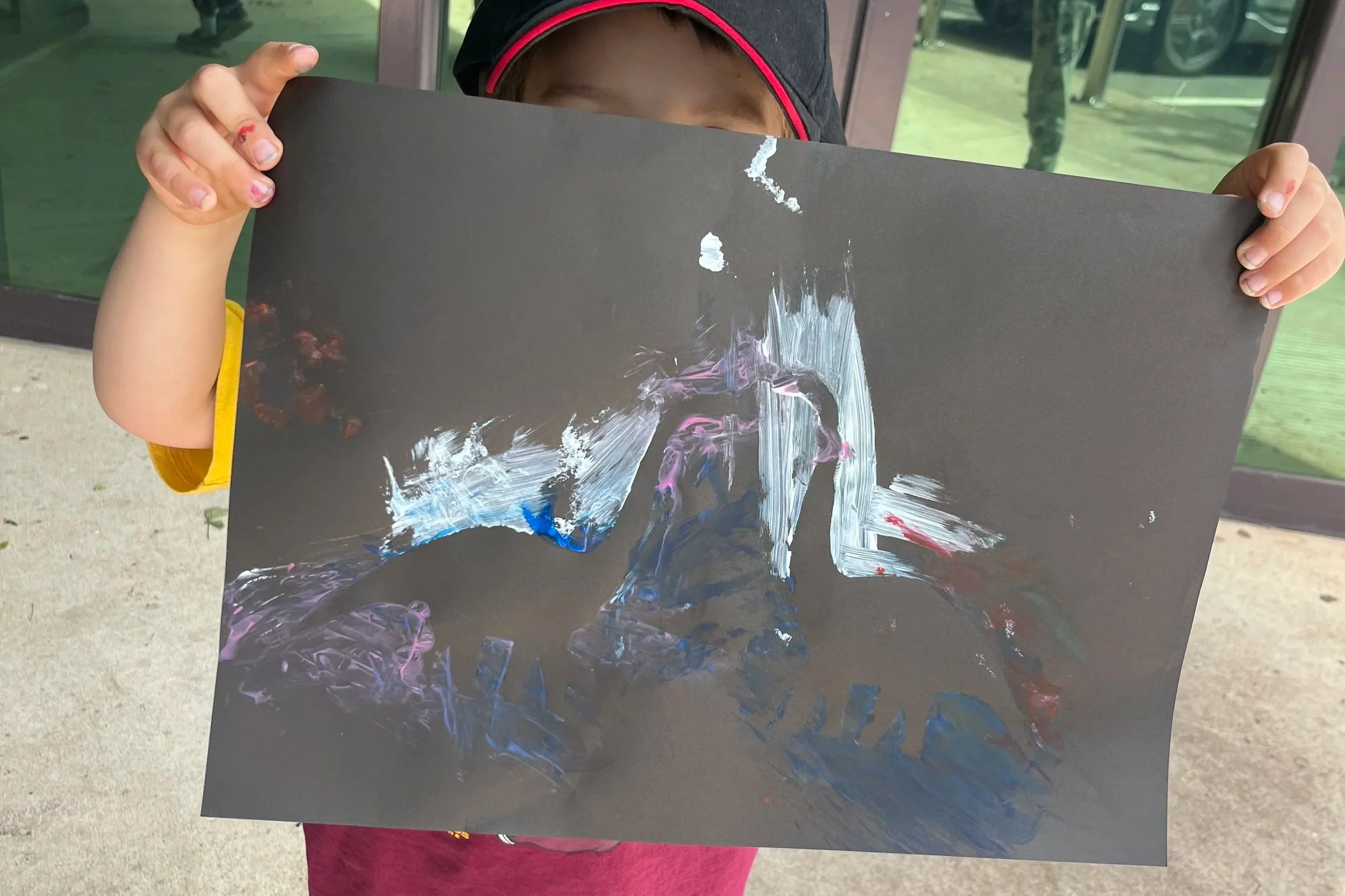
Learning about Dinosaurs - Art time painting Dinosaur shapes whilst learning the names of different Dinosaurs.
Charlotte Mason
Background & History
Created by Charlotte Mason in the late 1800s. Her philosophy emphasised living books, nature study, habit training, and rich ideas rather than worksheets.
What It Looks Like
Charlotte Mason homeschooling often includes:
Living books
Narration
Nature journals
Poetry
Art study
Short lessons
Gentle routines
Pros
Beautiful literature-rich education
Encourages observation and curiosity
Gentle and enjoyable
Strong connection to nature
Cons
Less workbook-based structure
Requires access to quality books
Narration may take practice
Best Suited For
Book-loving children
Nature-loving families
Families wanting gentle structure
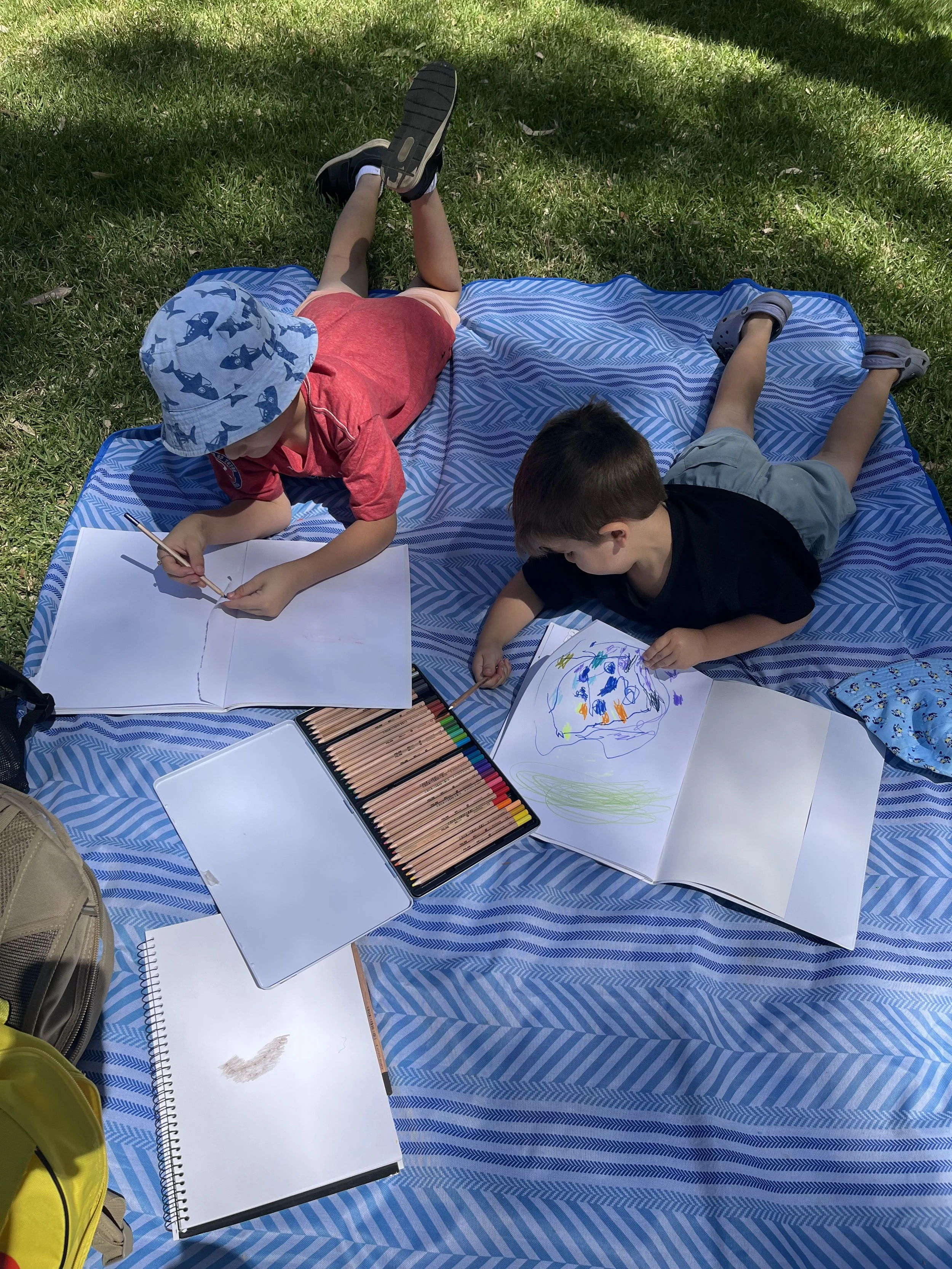
Art study - a walk to the local park for a picnic and art study on the native Australian flora and fauna we found.
Deschooling
Background & History
Deschooling is often the transition period after leaving traditional school. It helps children and parents adjust emotionally and mentally to a new way of learning.
What It Looks Like
Families take a step back from formal academics and focus on:
Rest
Reconnection
Mental wellbeing
Rediscovering interests
Healing from school stress or burnout
Pros
Reduces pressure and burnout
Helps rebuild confidence
Allows families to reconnect
Encourages natural curiosity again
Cons
Parents may worry about “falling behind”
Can feel uncertain without structure
Adjustment period varies greatly
Best Suited For
Children leaving school
Burnt out learners
Families transitioning into homeschooling

Reconnecting as a family - taking a well needed break and going on a family road trip
Eclectic Homeschooling
Background & History
Eclectic homeschooling became popular as families realised they did not need to fit one exact philosophy.
What It Looks Like
Families combine multiple approaches. For example:
Charlotte Mason for reading
Montessori for maths
Unit studies for science
Traditional curriculum for spelling
Pros
Flexible and personalised
Adapts to changing needs
Allows creativity
Can work well for multiple children
Cons
Can feel disorganised
Requires experimentation
Easy to buy too many resources
Best Suited For
Most homeschooling families
Families with children who learn differently
Parents who enjoy flexibility
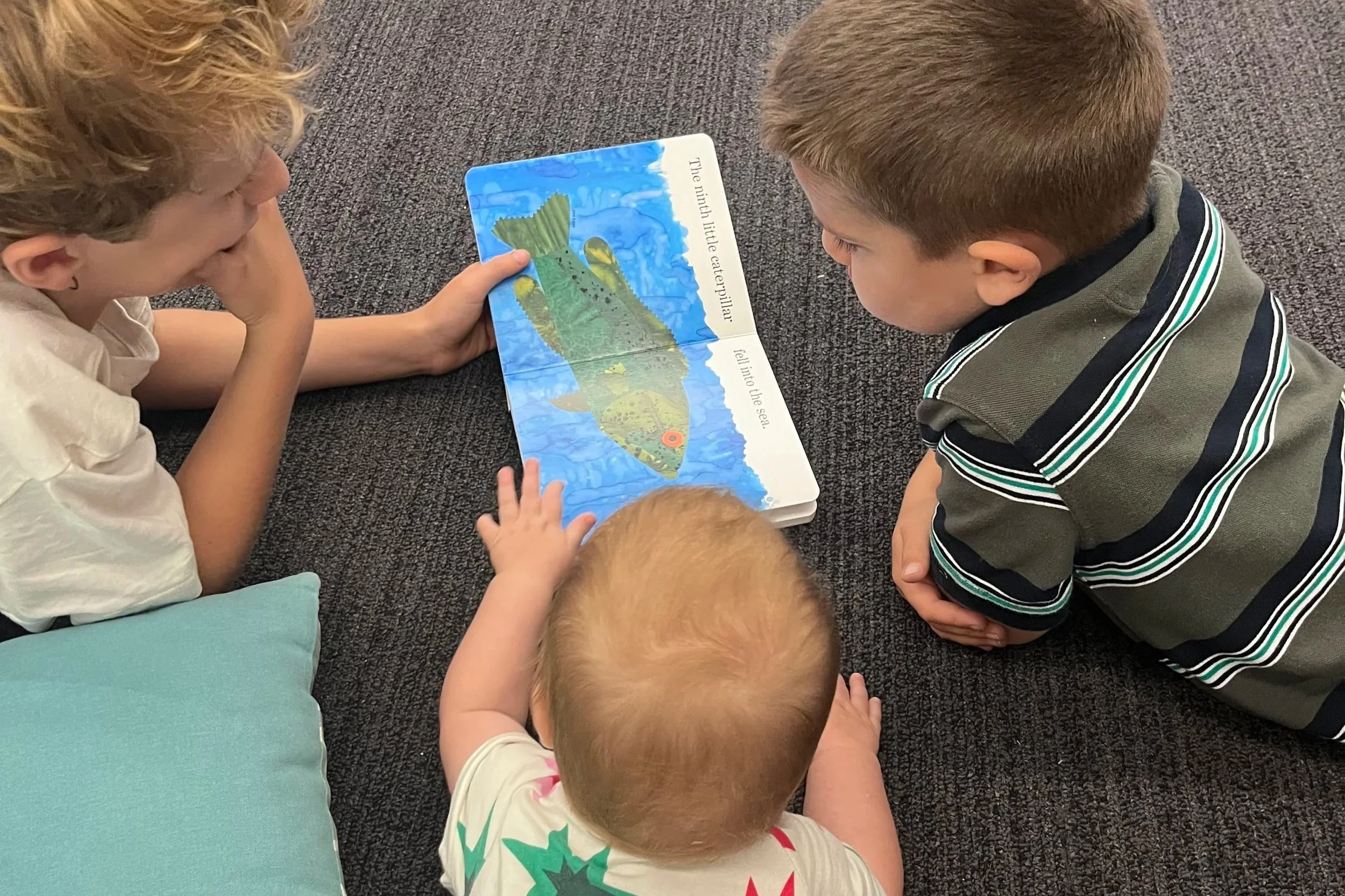
Enjoying flexibility of choice - weekly walk to the library for books, quiet time and reading
Traditional / School-at-Home
Background & History
This approach mirrors traditional schooling and is often chosen by families wanting familiarity or curriculum alignment.
What It Looks Like
Usually includes:
Textbooks
Workbooks
Timetables
Structured lessons
Grade-level expectations
Pros
Familiar and easy to follow
Clear academic progression
Easier record keeping
Helpful for transitioning in or out of school
Cons
Less flexibility
Can recreate school stress at home
May not suit all learning styles
Best Suited For
Families wanting structure
Parents new to homeschooling
Children who thrive with routine
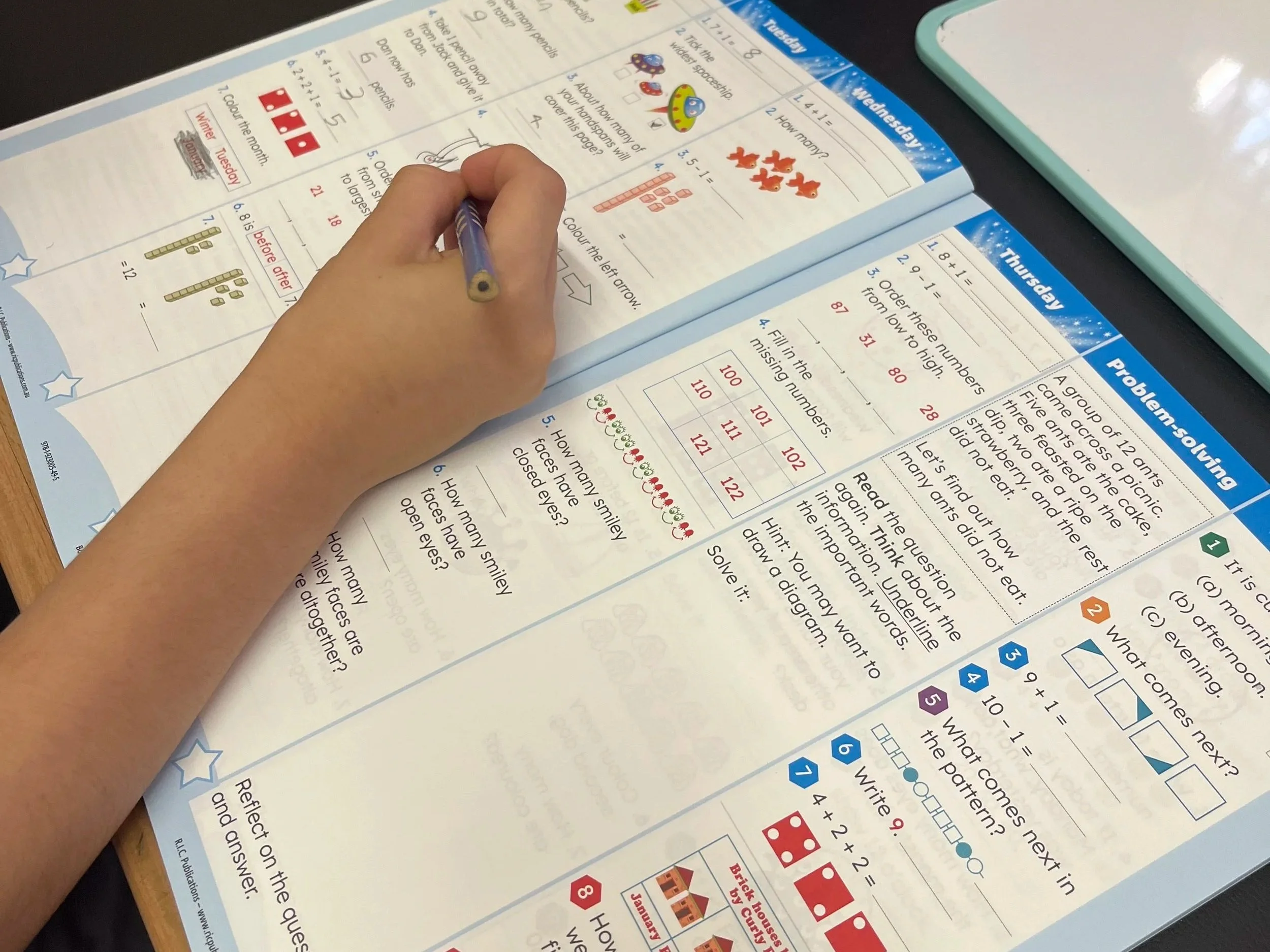
workbooks - we use workbooks in our homeschool journey not every day, but they are there for when we need them
Reggio Emilia
Background & History
The Reggio Emilia approach began in Italy after World War II, led by educator Loris Malaguzzi.
What It Looks Like
This philosophy values child-led inquiry, creativity, collaboration, and project work. Children are viewed as capable, curious learners.
Pros
Encourages creativity and expression
Child-centred learning
Strong project and inquiry focus
Beautiful learning environments
Cons
Less structured academically
Can be difficult to replicate fully at home
Requires active parental involvement
Best Suited For
Creative and expressive children
Project-based learners
Families valuing collaboration and exploration
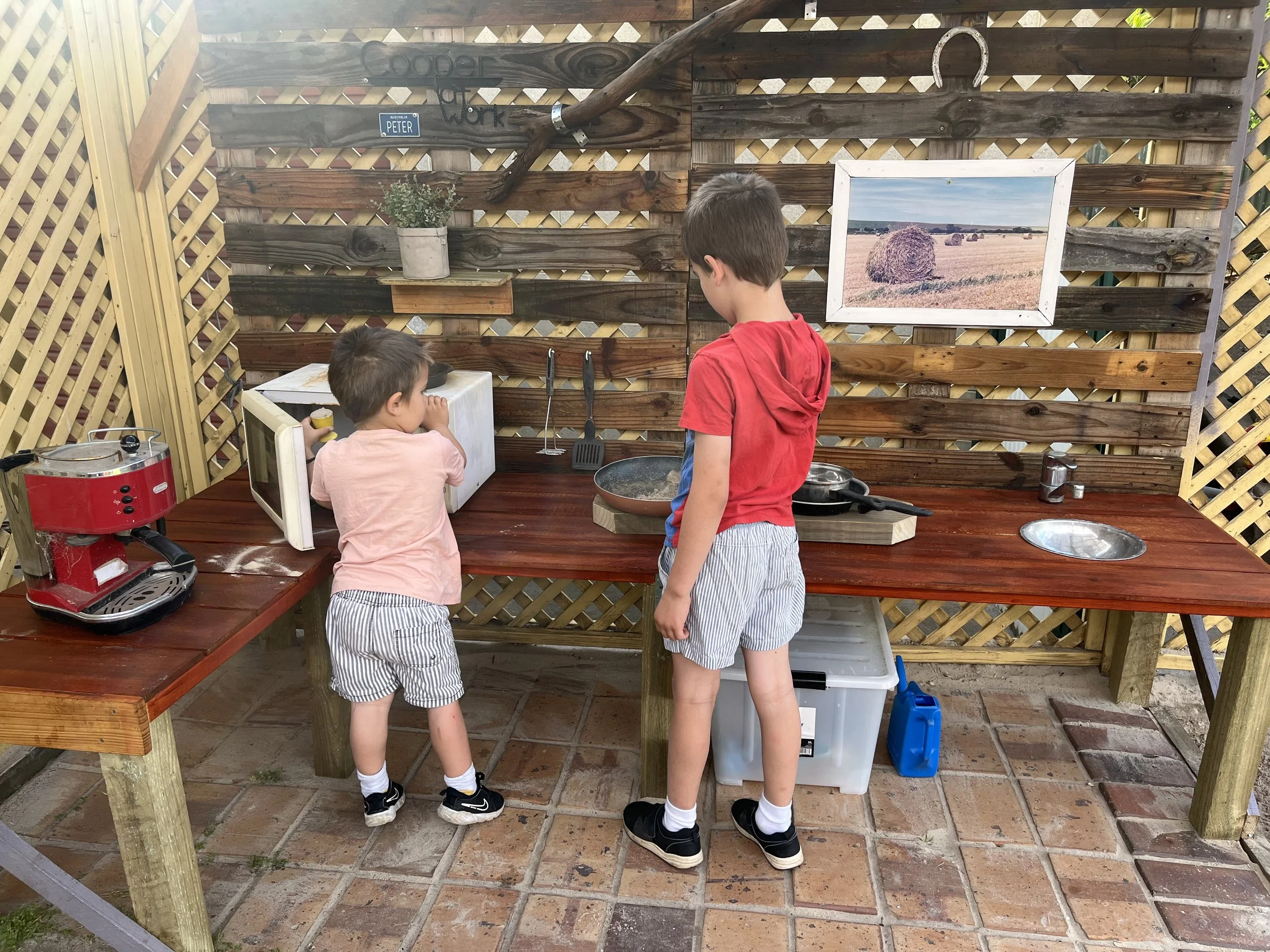
creativity and expression - though our mud kitchen we enjoy playing together
Travel Schooling / World Schooling
Background & History
Travel schooling has grown with modern remote work and homeschooling freedom, allowing families to learn through travel and cultural immersion.
What It Looks Like
Children learn through:
Travel experiences
Museums
Historical sites
Nature
Geography
Cultural experiences
Real-world life skills
Pros
Incredible real-world learning
Cultural awareness and adaptability
Strong family bonding
Memorable experiences
Cons
Requires flexibility and planning
Can be financially challenging
Routine and consistency may vary
Best Suited For
Adventurous families
Flexible lifestyles
Families who value experiential learning
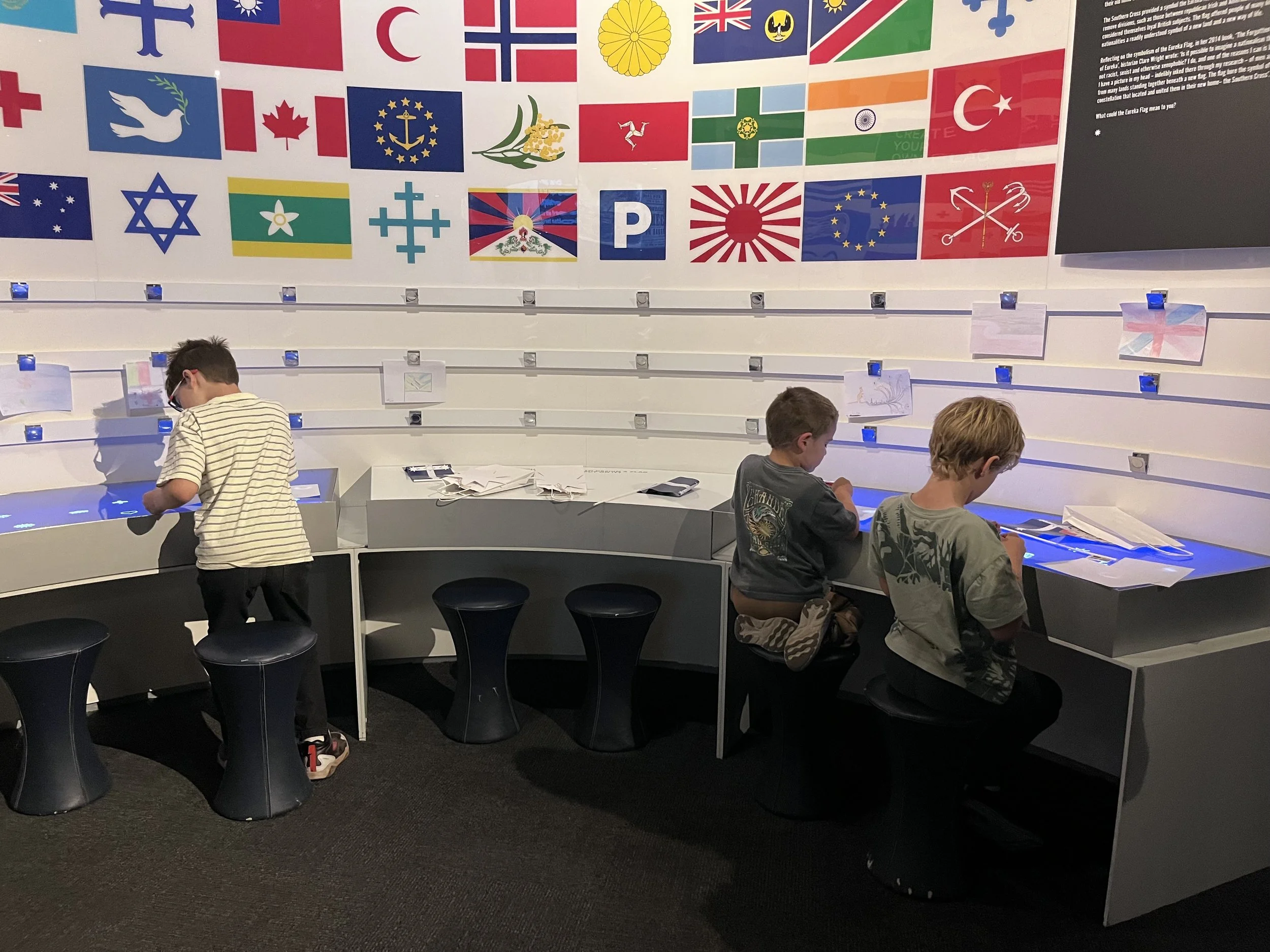
learning through travel - history lesson at the Eureka Stockade Centre in Ballarat
How do I Choose the Right Homeschooling Style?
Choosing a homeschooling style does not need to be permanent. Many families evolve and change styles over time as their children grow. Just like us, we pick and choose our style depending on what we are focusing on at the time, and how we feel, it can really be different each day. You don’t need to pick just one, and have it set in stone once you made that choice, you have the flexibility to change and adapt.
Things to consider:
Your child’s personality
Their interests and strengths
Attention span and learning style
Your family values
Your lifestyle and routines
How much structure your family enjoys
Your own teaching style and capacity
Questions to Ask Yourself
Does my child thrive with structure or flexibility?
Are they hands-on or book-focused?
Do they learn best through movement, creativity, or routine?
What kind of family life do we want to create?
What are our educational goals?
Something to leave you with
Homeschooling is not about recreating school at home. It is about creating an education that works for your child and your family.
Some families find their perfect fit immediately, while others spend years exploring and blending different styles together. That is completely normal.
The beauty of homeschooling is the freedom to slow down, follow your child’s curiosity, and build a meaningful education filled with connection, wonder, and lifelong learning.
Hopefully this have been a helpful explanation on the different styles of learning of homeschooling there is out there.
Wandering Wilds Homeschool