BUG FINDING - LINKING TO THE LEARNING
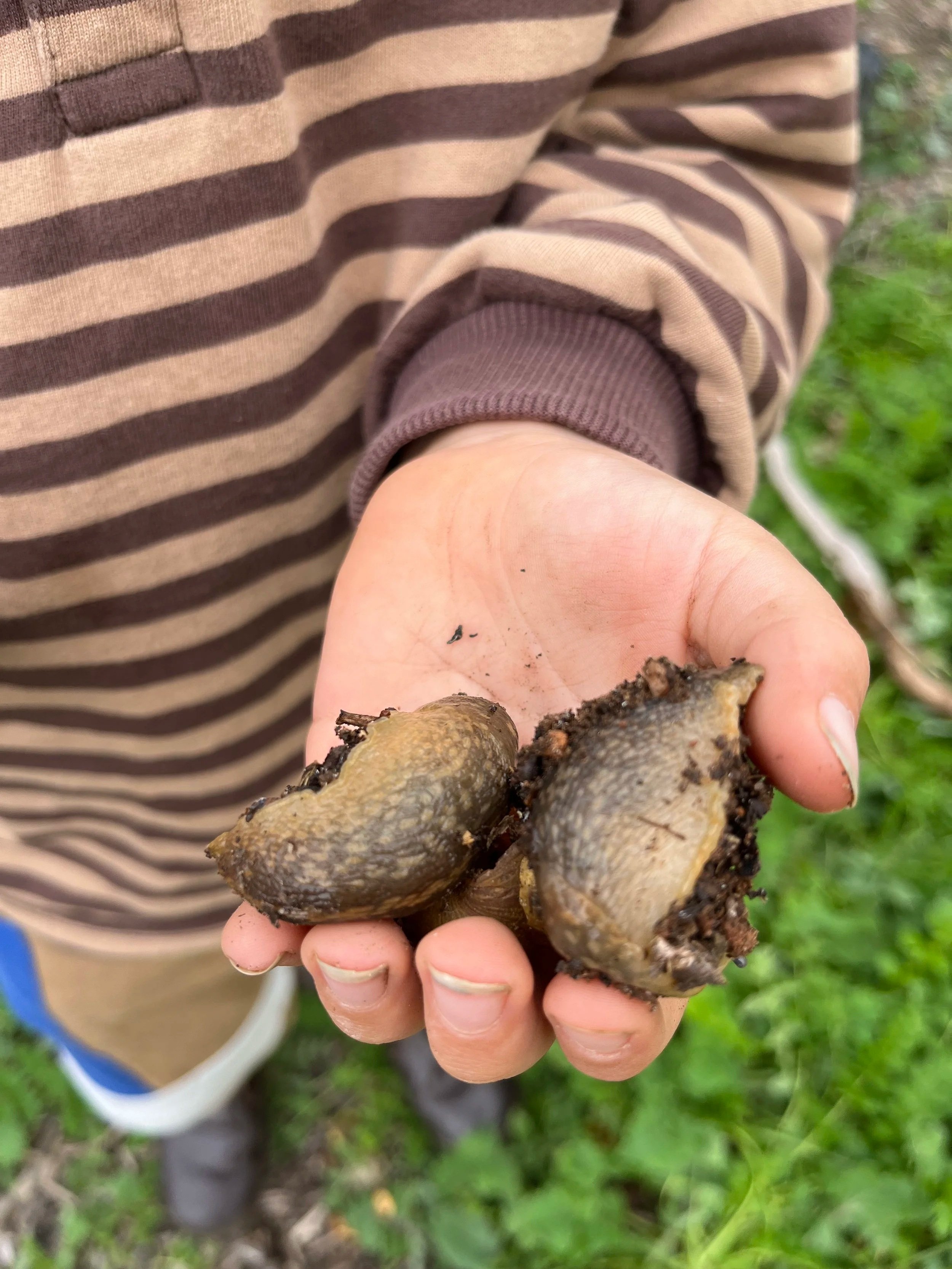
One of the beautiful things about homeschooling is that learning happens everywhere — even while lifting rocks, spotting ants on a bush walk, or watching a ladybug crawl across a leaf.
“Bug finding” may look like simple play, but it connects naturally to so many areas of the Australian Curriculum for young learners. My boys love roaming the garden looking for bugs, see how they move, what they feel like, putting them in jars and getting magnifying glasses to examine them.
This fun activity can connect to many learning areas, take a look below:
🌿 Science
Children explore living things, habitats, movement, life cycles, and the environment around them.
They learn to observe closely, ask questions, compare insects, and notice patterns in nature.
✏️ English
Bug hunting encourages rich conversations, storytelling, asking questions, listening skills, and new vocabulary.
Children may label drawings, describe what they discovered, or create little bug journals and recounts.
🔢 Mathematics
Counting bugs, sorting by size or colour, comparing quantities, measuring sticks or leaves, and recognising patterns all build early maths skills naturally through play.
🎨 The Arts
Children can sketch insects, create nature collages, paint bugs, or use imaginative play to retell their discoveries creatively.
🌏 HASS (Humanities & Social Sciences)
Exploring outdoors helps children understand their environment, care for living creatures, and develop a sense of connection to the natural world and community spaces.
🏃 Health & Physical Education
Outdoor exploration supports gross motor skills, balance, coordination, confidence, resilience, and healthy active play.
💻 Technologies
Children investigate how things work in nature, use magnifying glasses or cameras to document findings, and explore simple ways to record and share information.
This is just one of the many examples of how we can learn everyday, doing everyday activities and tasks. It doesn’t have to be planned and organised, it just needs to flow.
What looks like “just playing outside” is actually rich, meaningful learning woven through everyday life.
Wandering Wilds Homeschool