What is the next step?
Starting Your Homeschool Journey in South Australia
A gentle guide to taking the first step into home education
There is something both exciting and overwhelming about deciding to homeschool your child.
You may feel inspired, nervous, uncertain, determined — or all of those emotions at once.
The truth is, starting homeschooling in South Australia can feel daunting in the beginning, especially when you start searching for information and suddenly find yourself reading forms, requirements and government websites.
But here is the reassuring part:
You do not need to have everything figured out before you begin.
Homeschooling is a journey of learning and growing alongside your child, and every homeschooling family once stood exactly where you are now — taking that very first step.
Step 1: Research and Learn About Home Education
The first step towards your homeschooling journey is simply learning how home education works in South Australia.
Take your time exploring:
What homeschooling looks like day to day
Different learning styles and approaches
The legal requirements in South Australia
What kind of learning environment suits your family best
You may discover that homeschooling does not need to look like “school at home.”
For many families, learning happens through:
books
nature play
museums
cooking
documentaries
hands-on activities
community groups
excursions
conversations
everyday life experiences
Every homeschool journey looks different — and that is the beauty of it.
For official South Australian home education information, you can visit the South Australian Home Education Unit
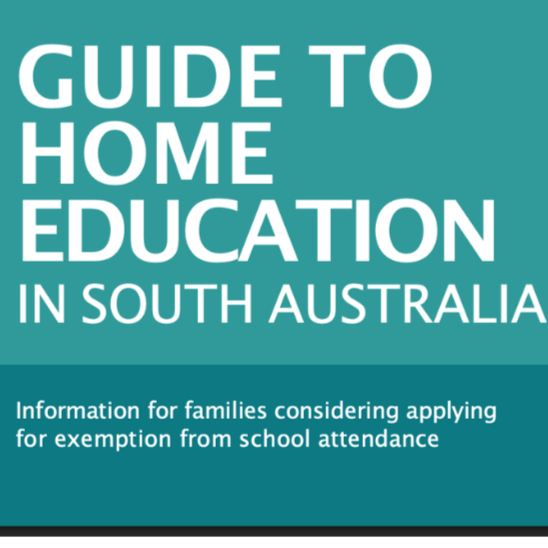
Click the above image to learn more about Home Education in South Australia
Step 2: Submit Your Application
Once you decide homeschooling is the right fit for your family, the next step is applying for registration through the South Australian Department for Education.
You will need to complete a home education application form for each child you wish to homeschool.
The application generally includes:
your child’s details
parent/carer information
reasons for choosing home education
information about how you plan to support your child’s learning
This part can feel intimidating at first, but remember:
They are not expecting perfection. They simply want to understand:
how your child will learn
how you will support their education
that your child’s learning needs will be met
Many families worry they need to recreate a classroom or follow a strict school timetable. You do not need to do that.
Homeschooling can be flexible, child-led, structured, relaxed, nature-based, interest-led — or a blend of many approaches.
Step 3: Create Your Learning Plan
As part of the process, you will usually provide a learning plan or outline explaining how you intend to educate your child.
This can include:
subjects or learning areas you plan to cover
resources you may use
activities and excursions
your child’s interests
goals for learning and development
In South Australia, families are generally encouraged to cover the Australian Curriculum learning areas in ways that suit the child and family.
These learning areas include:
English
Mathematics
Science
Humanities and Social Sciences
Health and Physical Education
Technologies
The Arts
Languages
The wonderful thing about homeschooling is that learning can naturally flow into everyday life.
Go take a look at my FREE PDF ‘Resource list’ which will give you an idea of how or where learning in these areas can occur.
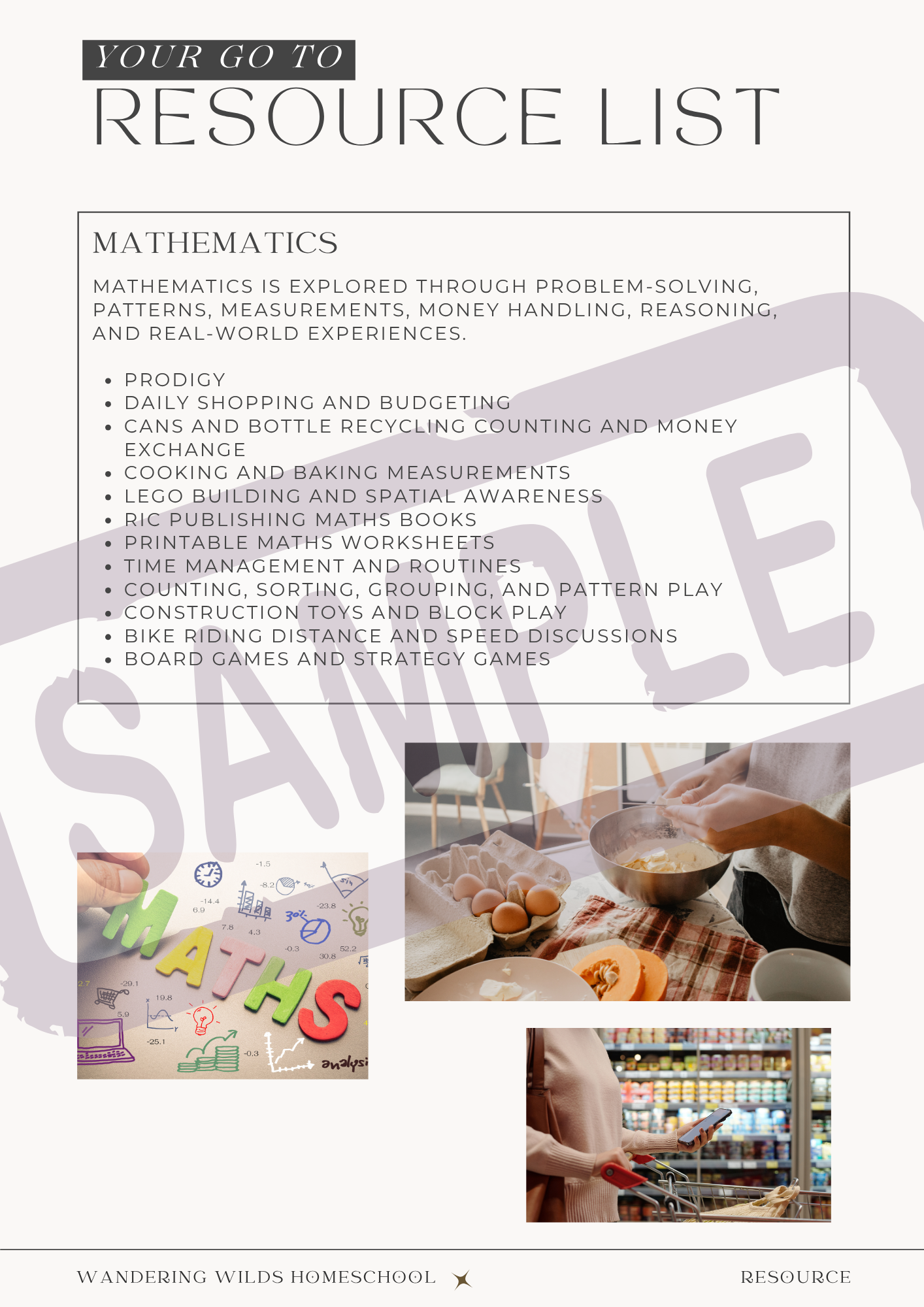
Enjoy this FREE printable PDF featuring a curated collection of resources that have supported and inspired our homeschool journey. From educational apps and hands-on learning ideas to community experiences, outdoor adventures, books, excursions, and everyday learning opportunities, this guide is filled with practical resources we genuinely use and love as a homeschooling family.
Designed to inspire and support both new and experienced homeschoolers, this resource highlights the many ways learning can happen naturally through curiosity, creativity, play, and real-world experiences
Step 4: Home Visit or Meeting Process
After submitting your application, a representative from the Home Education Unit may contact you to organise a meeting or home visit.
This is usually a supportive and conversational process rather than something to fear.
The purpose is generally to:
discuss your learning plan
answer questions
understand your homeschooling approach
ensure your child’s educational needs are being supported
Many families find this part much more relaxed than they expected.
Remember: you are not expected to know everything immediately.
Homeschooling grows with experience.
Step 5: Begin Your Journey
Once approved, your homeschooling journey officially begins. And this is where the magic truly starts.
You begin to notice:
learning through curiosity
deeper family connection
freedom to explore interests
flexibility in your days
confidence growing in both yourself and your child
Some days will feel amazing.
Some days will feel messy.
Some days you may question yourself completely.
That is normal.
Homeschooling is not about creating perfection. It is about creating connection, curiosity, growth and a love of learning.
A Gentle Reminder for New Homeschoolers
You do not need:
a perfect house
expensive resources
a teaching degree
colour-coded schedules
Pinterest-perfect setups
What your child needs most is:
support
safety
connection
encouragement
curiosity
time
Starting is often the hardest part. But if you are here researching homeschooling, you are already taking the very first step toward something beautiful. And that first step matters.
Wandering Wilds Homeschool
Helpful South Australian Homeschool Resources
South Australian Home Education Information
Australian Curriculum
Local homeschool groups and community meet-ups
Libraries, museums, nature groups and community programs